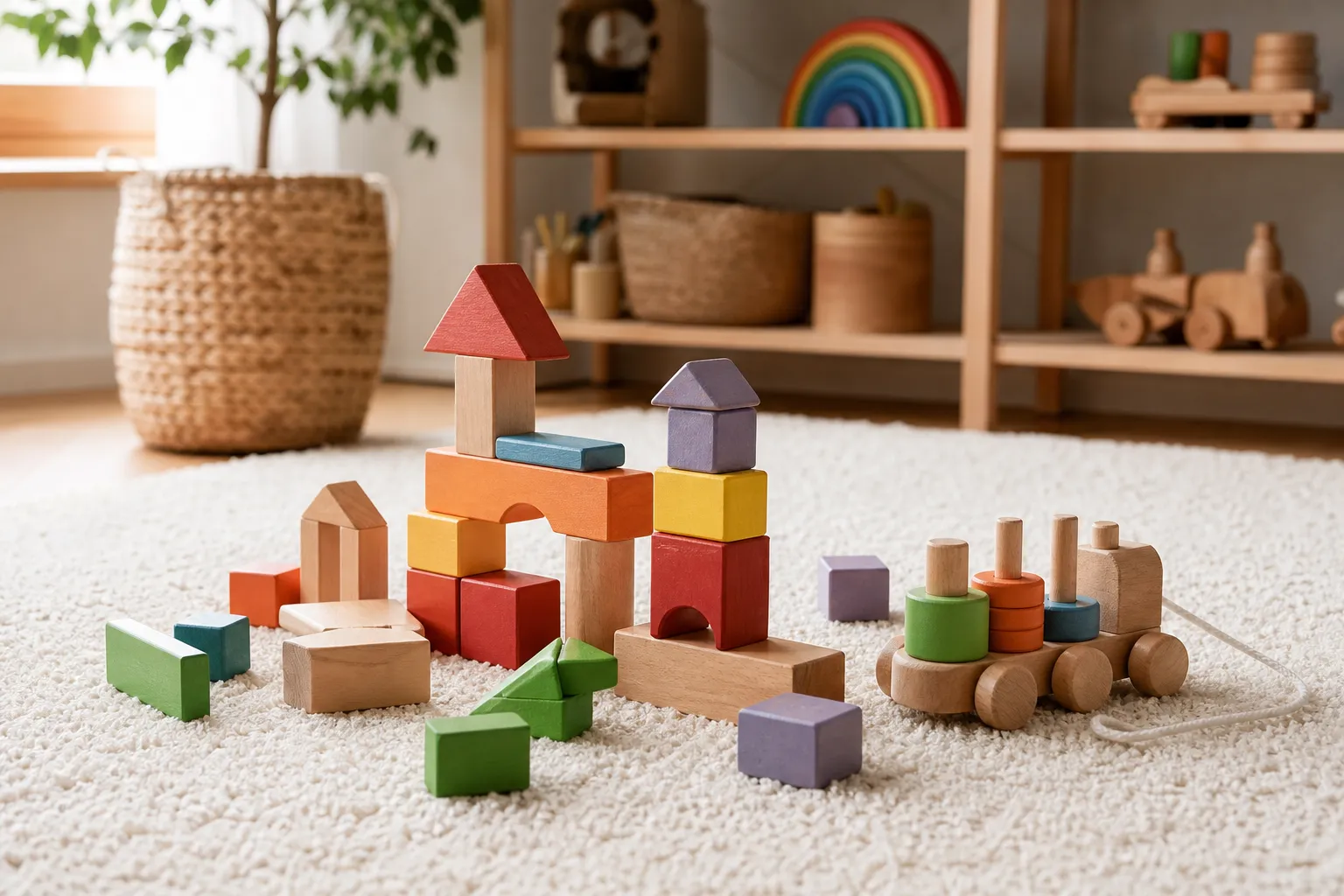
Play is far more than a way to pass the time. For children, it is how they explore the world, practise new skills and make sense of what they see and feel.
Play is learning
Through play, children build language, problem-solving, movement and social skills, often all at once. Stacking blocks, pretend cooking or splashing in water each teach something, even when it looks like simple fun.
Follow your child's interests
You do not need expensive toys. Everyday objects, a cardboard box, or time outdoors can spark rich play. Joining in when invited, and following your child's lead rather than directing, keeps play enjoyable and meaningful.
Make room for free play
Unstructured time, where children choose what to do, helps them build imagination and independence. It is fine, and even helpful, for children to feel a little bored sometimes, as this often sparks their own ideas.
Children play and develop in their own way and at their own pace. If you would like guidance on supporting your child's development, a professional can help.